ok, wonderful thanks
yes, understood; hence why I asked how you are capturing in your field recordings (for lack of a better term)
Yes, isolate sounds to then use as objects in ATMOS, yes?
Indeed, but once you isolate specific sounds; you will still need to fill the hole you created in the ambience when isolating said specific sounds. I’m in the middle of doing exactly that right now with a surround mix (surround is the format that has been requested).
I’ll be very honest here, I have never mixed anything surround before…to say it is daunting to attempt “organic” cover of all the zones after running unmix noisy speech and creating various scene related isolated sounds from a single mic/lav take is an understatement; nah, it’s nigh on impossible; you have to fake it, unless you recorded with surround/ multichannel delivery in mind as you say. (Zones is how I like to refer C/ LR/ rears) Thank goodness I took many “clean” field recordings in the interview locations on the same day!
So essentially. if you isolate sounds after NR or whatever process you use, your isolated sounds should be “clean” enough to put into your ambience without stacking unwanted “noise”. As long as you have good, clean ambience. How’d you get that ambience? Recorded at another time when the objects you want to use weren’t present? I can’t really think of another way.
No, back then I did not have Spectralayers. I used the Spectral Repair tool of iZotope RX Advanced - which works very well.
1 Like
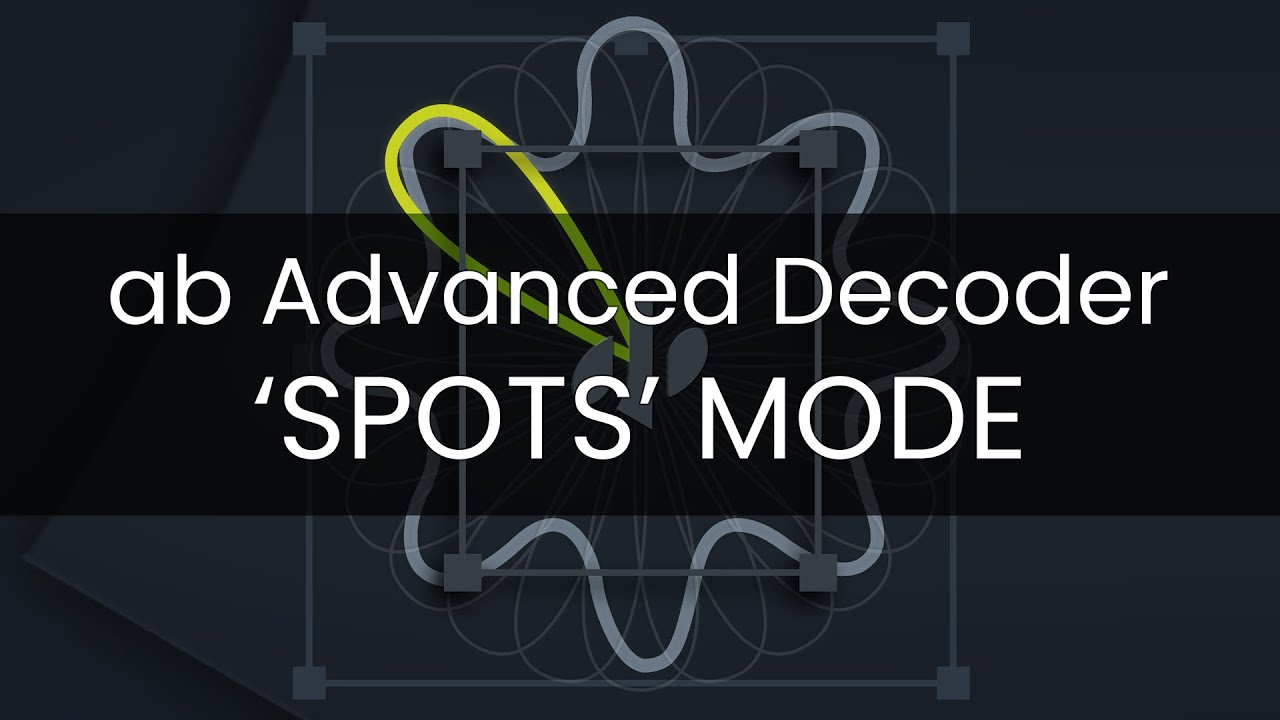
You could convert your recordings into Ambisonics and then user the latest Audio Brewers plugins to beam-form and isolate the bird.
Have a look:
1 Like
I don’t really want to do that.
I want to preserve all the spatial attributes of the recording and just remove the noise.
1 Like
Like Todd put it, birds are so varied in their song characteristics that this is indeed not an easy endeavour. I guess you’ll need to try a few things out and find the best method for your desired results - and its limitations.
Good luck!
1 Like