Woke up this morning and realised, I have never heard a digital sound truly warmed!

32 years in a studio and a hi-fi nut before that. So much Bs sales about it’s a plague.

Digital always sounds toppy and to edgy at the higher end. I have never used anything in Cubase that can solve this. I begin to doubt anything can do this.

Maybe I need a warmifier - a physical piece of equipment with a tape loop, or something. I once tried copying onto a minidisc and then back again. Huge improvement on the sound - in terms of aural friendliness.

Z

You can always do your summing outside of the box with something like this- https://www.sweetwater.com/store/detail/2BusPlus--dangerous-music-2-bus-analog-summing-mixer

1 Like

Looks good…hardware summing mixers- I shall research.
Z

Well, I would start with the signal path and a decent mic preamp. Truth be told, the good ones are quite expensive.

Other than that there are some ITB compressors which take the edge out of this over-hyped highs that come with some sounds - something I always do. My favourite ones for that kind of job are the classics like LA2As, Distressor and alikes. Of course, there are also some great sounding tape emulations. My favourite one for summing is the UAD ATR 102 emulation, it does a very good job if you don’t want to go for outboard gear.

Loads of ways to do it, actually.

I work almost exclusively in MIDI. There is some exceptional recordings out there. The UAD does good, but there is more IMO.

My mini disk trick works well. I think I have a case of over synthetic ear invasion at the mo!

Z

I always tame harsh VSTi sounds with the aforementioned compressors. Actually, the UAD emulations are my favourite emulations. For example, inserting a distressor on a harsh synth sound will immediately turn into a much more ear friendly and smoother sound. That does the trick for me but each to their own. On the other side, replacing an analog preamp with an emulation never worked for me (got the real deal and decent emulations). Same goes for mics - all these mic emulations are far from good.

Each to their own, that’s just my personal take on it. Someone else might see (hear) it differently and that’s fine!

Out of curiosity, have you ever tried PSP VintageWarmer 2? There’s a 30-day trial available, so it might be worth giving it a shot if you haven’t tried it. (It does need iLok, but no the dongle.)

I’m in a similar situation in the sense of most of all my instrumental tracks’ being MIDI (virtual instruments these days), where any preamp considerations were baked in by the products’ developers, though I sometimes will use preamp emulation plugins as well. I do record my vocals through a Focusrite ISA One preamp.

Over the years (and generations of technology), I’ve used various tools and techniques that have helped me. When I originally switched from hardware (and ADAT recording at that point – I’d used 8-track reel-to-reel before that) to a DAW (Cakewalk Pro Audio 9 at that point) and using more and more virtual instruments over the years, I stumbled across PSP Audioware’s PSP MixPack, which made a big difference in my results. VintageWarmer came out a bit later and got used on pretty much all of my projects after that, especially one preset I put on my mix bus to simulate mixing to tape.

In my current virtual instrument use, I tend to emulate tracking to tape, including a tape emulation plugin at the end of the chain before rendering to audio, then using console emulation channel strips as part of the mixing side of things and also using tape emulation at the end of the mix bus. And the effects plugins I use are also often ones that emulate analog gear, be it specific emulations or just general analog feel (VintageWarmer fits into that latter category). Brands and models for the channel strip and effects plugin vary, depending on the project, with the ones I use most being from PSP, UAD, Waves, and Arturia.

Beyond that, at some point I found that working at 96 kHz also seemed to give me results more like analog than had working at 44.1 kHz or 48 kHz, so I standardized on using that for my song productions quite a while back.

I have not tried using any external summing boxes, but I long ago tried to eliminate as much hardware as possible from my small bedroom home studio. I’m down to some MIDI controllers, an audio interface, the one mic preamp, a few mics, monitors, and headphones – and, of course, the computer and its components – at this point.
1 Like

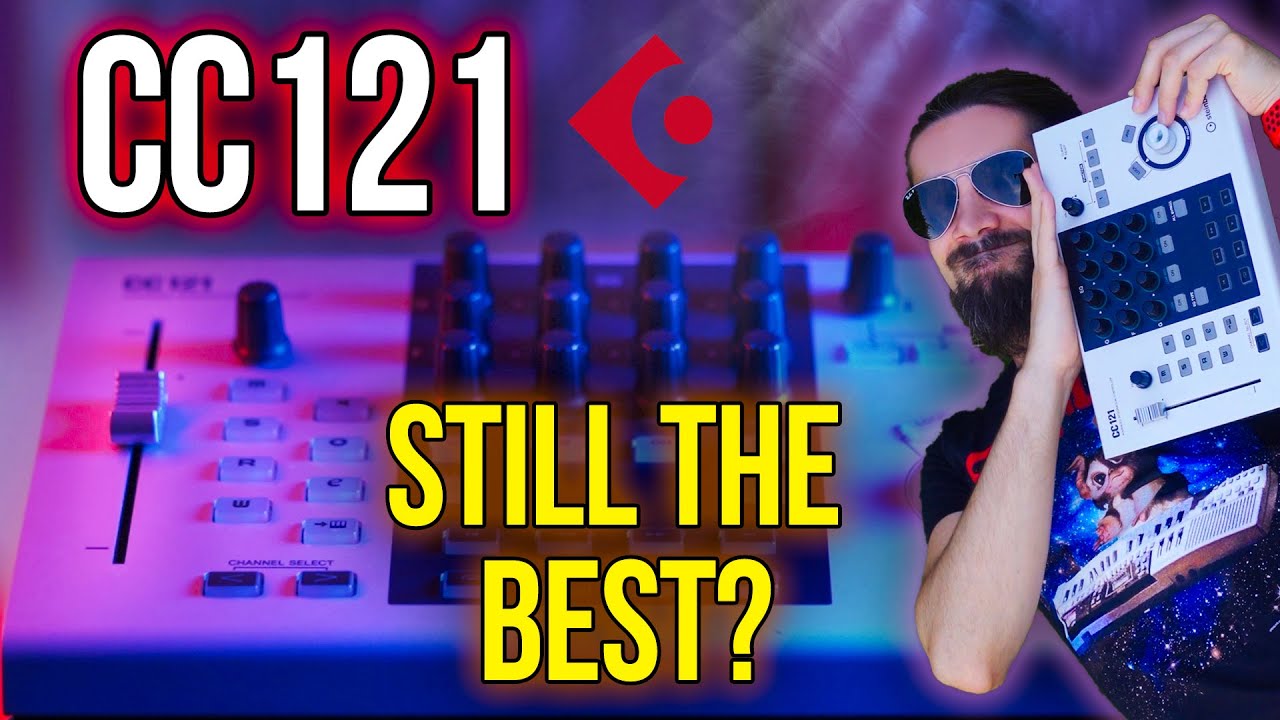
I am with you on eliminating hardware. Slightly off topic I am down to a keyboard and a fader, until recently until i realised (via Dom S) that the CC121 is really excellent and a breeze to set up. Available second hand avoid taxes from imports!

1 Like

I don’t have room on my desk for a dedicated controller, but the 61-key keyboard controller I have on my desk (Roland A-800PRO, which I originally picked up back when Roland partially owned Cakewalk and had some integration of the controller with SONAR) has 9 faders, 9 knobs, and dedicated transport controls. (It also has 8 drum pads, but I pretty much never use those.) I configured it with Cubase’s remote interface capabilities a few years ago, so it works pretty well with Cubase without taking up any extra real estate.

My other keyboard is an 88-key Roland A-88, but I can’t locate it close enough to my desk, so I mostly only use it for tracking piano parts. I also have an Akai EWI USB wind controller that I use when tracking brass and other wind parts, but I mostly just keep that in the closet as I don’t do wind parts very often.

1 Like

That’s solid advice in light of He who smelled it dealt it. :winking_face_with_tongue:

Sorry, @rickpaul , I couldn’t help it :face_with_peeking_eye:

1 Like

GROSS!
:scream:
But hilarious!
:rofl:
My wife and I often use the phrase, “I’m off to practice the tuba,” when availing ourselves of the, um, facilities.

1 Like

To get @ZeroZero 's topic back on track:
Same approach here @rickpaul . I have drastically reduced my outboard gear over the years. I just kept the most important stuff and try to manage 95% of all tasks with the gear that’s right in front of me. Master 88 keyboard under the desk, 61 keyboard with sufficient faders & controls plus tiny additional controllers on my desk, and an extendable computer keyboard over my 61 keyboard if needed.

It’s always a trade-off between accumulating (analog) outboard gear and a slim & streamlined work environment.
I might be tempted to integrate an analog summing compressor once again one day but right now I don’t feel the need.

If you have one analog signal (one real cello) admidst a sample based string ensemble everything comes to life. I apply the same technique/philosophy by adding multiple analog signals to an ITB mix (life performance & analog gear).

1 Like